Environmental Sustainability and Cooperative Approaches
By Allen Smith
Overview
Foundational to more cooperative structures is environmental sustainability, which is the responsible use of natural resources to meet current needs without compromising the ability of future generations to meet theirs. It balances ecological, economic, and social goals, such as reducing emissions, promoting renewable energy, and ensuring equitable resource access.
Cooperatives should therefore strive to be environmentally sustainable in order to assure the responsible use of resources and promote the health of all living beings. NM Cooperators invites the local community to participate in a conversation about what a cooperative approach to environmental sustainability looks like, and what the vision should be moving forward.

Traditional Ecological Knowledge
Traditional ecological knowledge is the on-going accumulation of knowledge, practice and belief about relationships between living beings in a specific ecosystem that is acquired by indigenous people over hundreds or thousands of years through direct contact with the environment, handed down through generations, and used for life-sustaining ways.
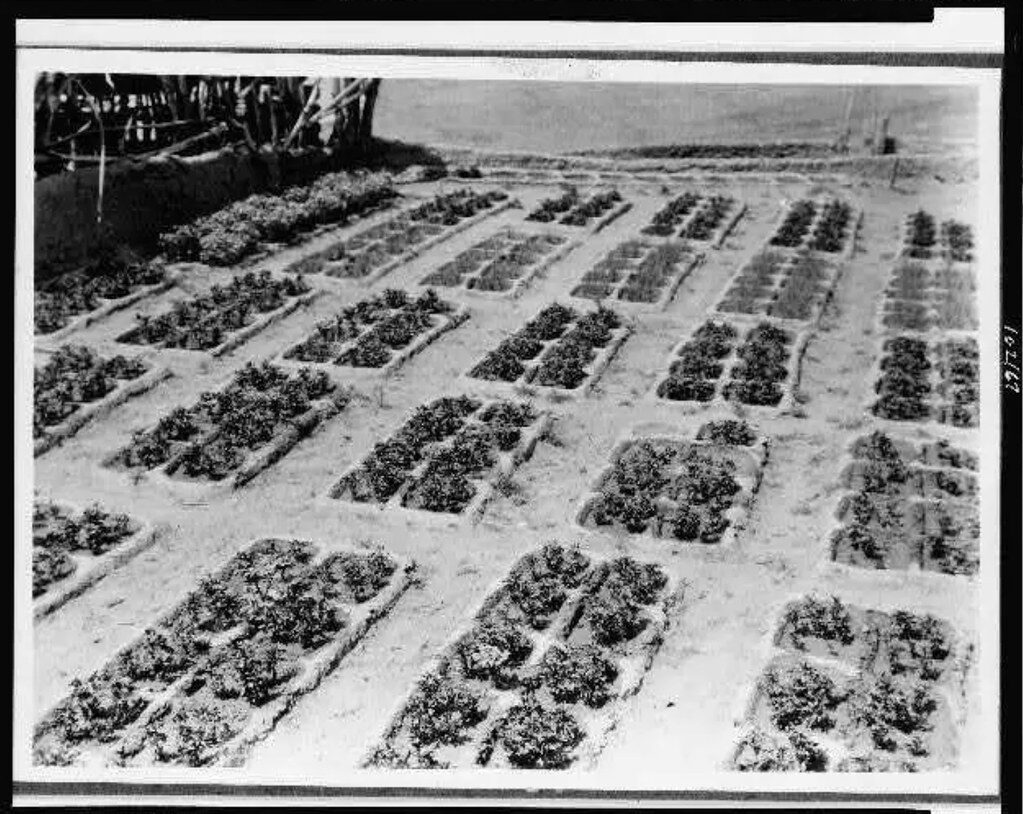
Zuni waffle gardens
These are waffle or square shaped gardens that retain more water in an arid environment and help contribute to more soil moisture and greater soil health. They are also a strategy to help reduce erosion and dust, and have been implemented in Southern NM by the NM Department of Transportation as a dust mitigation strategy near Lordsburg, which is an area where dust storms have had a negative effect for drivers on I-10 and overgrazing has degraded the landscape along the Lordsburg Playa. The waffle garden strategy has also been utilized by the Ts’uyya Farm in Albuquerque to help conserve water during times of drought. These gardens, based on traditional ecological knowledge, help promote native sovereignty, agroecology, and cooperation.
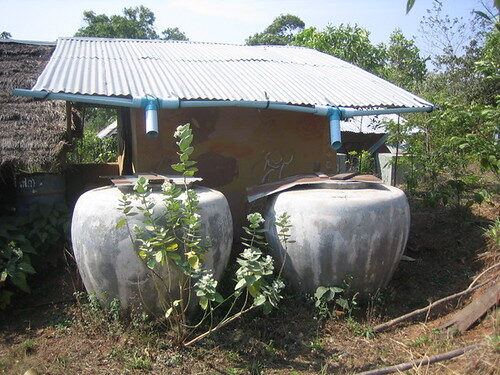
Rainwater harvesting
Also a form of traditional ecological knowledge, rainwater harvesting is utilized as a way to collect and store water for future use, helping foster water conservation and community cooperation. It can also be used as a strategy for green stormwater infrastructure, which helps reduce erosion, improve soil health, maximize water intake by plants, and filter pollution. More cities and towns are allowing these systems or providing incentives for them, such as rebates through the Water Authority for Albuquerque residents.
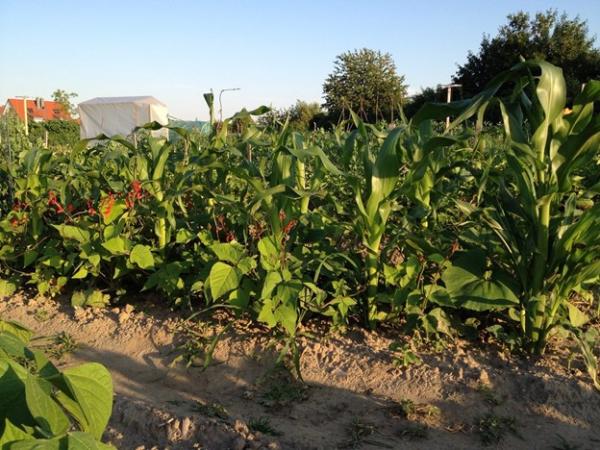
Three Sisters agriculture
An ancient tribal method of agriculture that encourages companion planting in a mutually beneficial system, fostering cooperation between different plants, known as the three sisters, to create a self sustaining system. The corn provides structure for the beans to climb, the beans provide nutrients to the soil, and the squash provides mulch to help the soil, conserve water, and prevent weeds. This type of agricultural system is not only rooted in traditional ecological knowledge, but also can be considered regenerative.

Acequias
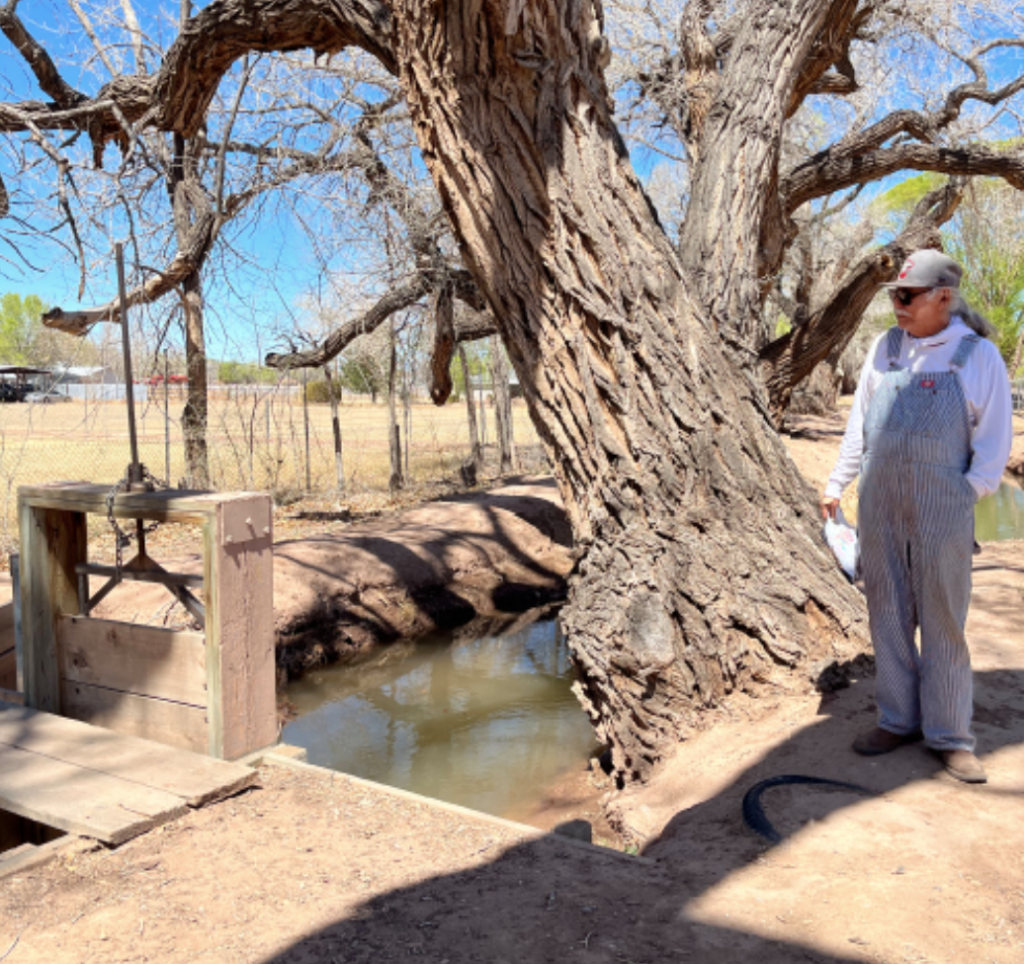
Acequias are a way of managing water that is rooted in traditional knowledge (influenced by the Spanish), collaboration, community, local governance, and environmental stewardship. They are considered a subdivision of the state in New Mexico and date back to the 17th and 18th centuries during the period of Spanish colonization.
South Valley
The Pajarito Acequia in the South Valley is one example of such a system. They promote a collaborative approach to water management that incentivizes conservation and considers the broader community good through communal water ownership and maintenance of the ditches. Land over the acequias are held in the collective interest for the local community.
Taos
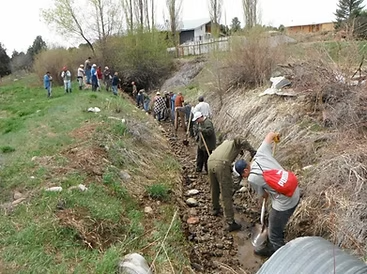
In Taos, acequias are a key strategy to capture runoff from mountainous areas into canals to get to fields to help irrigate them through a gravity based system. They are critical for a variety of small scale farmers and ranchers in the region. The Taos Valley Acequia Association is one organization working to sustain the vibrancy of these systems into the future. The water in an acequia system moves more slowly than the concrete ditches of today, and help foster biodiversity in the area where they exist. They are democratic social institutions and an early form of a cooperative community in New Mexico. If one is a member of an acequia community, also known as a parciante, and owns a water right in it, they are responsible for a share of ditch maintenance proportionate to their irrigated acreage. Mayordomos are elected by the acequia commission to oversee and manage ditch operations, including allocating water to parciantes in accordance with custom and bylaws.
Agroecology/Integrated Pest Management
Agroecology is a holistic and integrated approach that simultaneously applies ecological and social concepts and principles to the design and management of sustainable agriculture and food systems. It seeks to optimize the interactions between plants, animals, humans and the environment, while also addressing the need for socially equitable food systems within which people can exercise choice over what they eat and how and where it is produced.
Integrated Pest Management operates similarly, which seeks to utilize cover crops and optimize the interactions of plants to minimize or eliminate the need for pesticides.
Chispas Farm
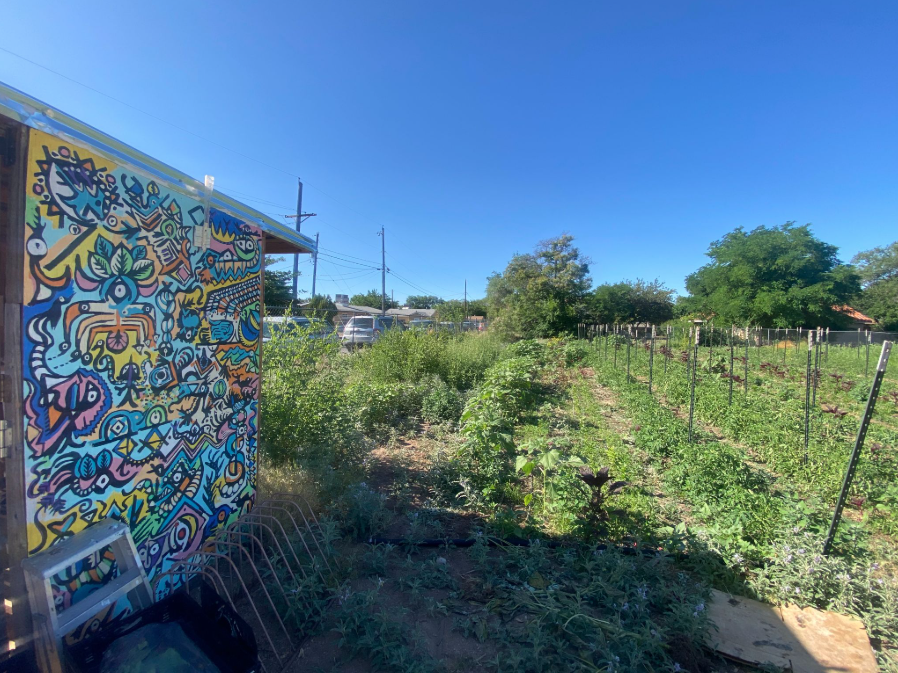
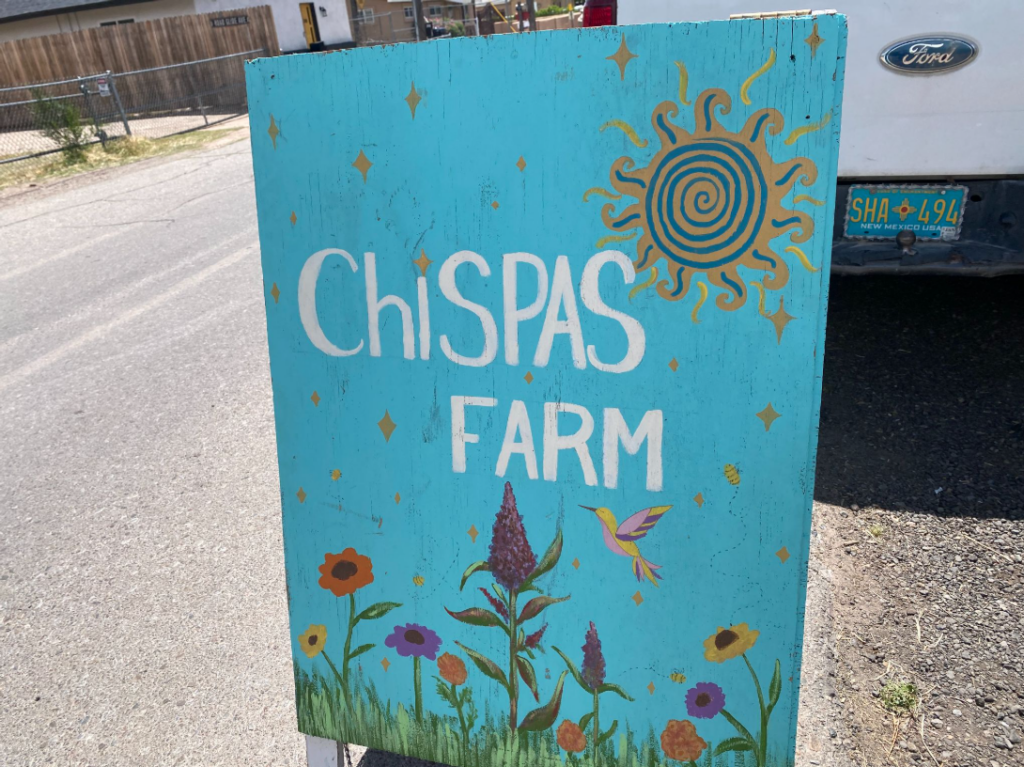
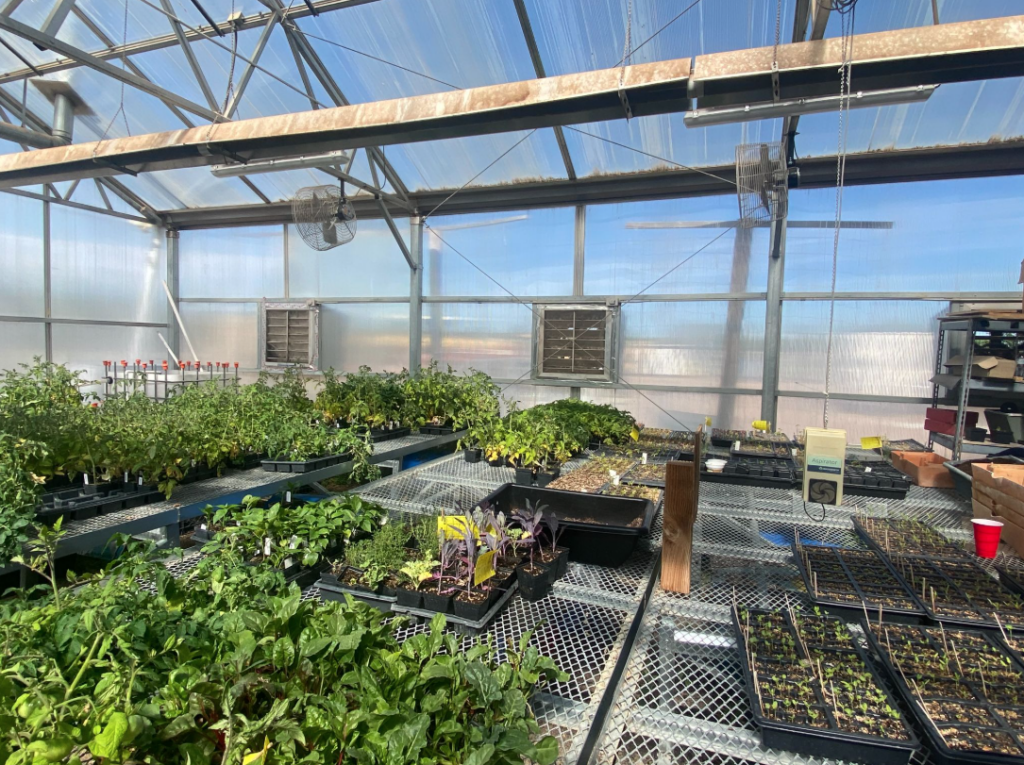
A 4 acre farm in the South Valley of Albuquerque, Chispas Farm is focused on no-till agriculture and a regenerative approach fostering a closed loop cycle for its operations. They have over 120 varieties of heirloom vegetables and fruits, 100 laying hens for eggs, and as well as sheep, goats, ducks, geese, and rabbits. Chispas Farms has empowered the crew to take leadership in all areas of running the farm in order to create true worker equity.
Composting & Soil Health
Composting is a biologically-stable soil amendment produced by the aerobic decomposition of organic materials. Composting enhances soil health, decreases methane emissions from landfills, and fosters a more closed loop system to soil management.
Reunity Resources
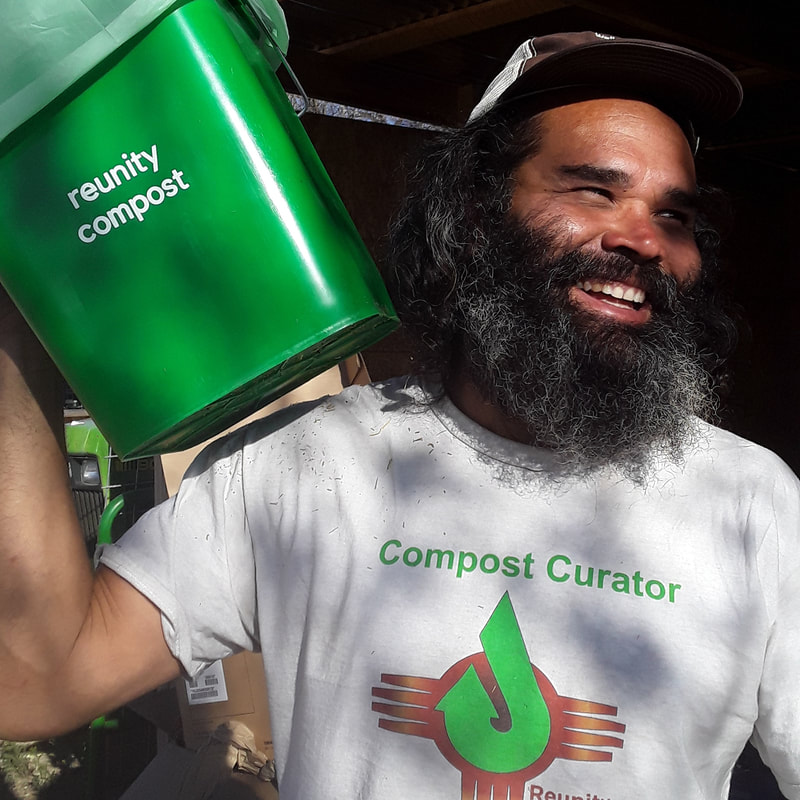
A space for farming, composting, environmental education, food waste collection, volunteering, community outreach, and events for the public in Santa Fe, NM. Reunity Resources was founded with the knowledge that community-scale change is necessary for continued climate resilience. Reunity creates effective closed loop systems that allow the community to participate in active solutions and help further a more localized food system.
Full Sun Compost
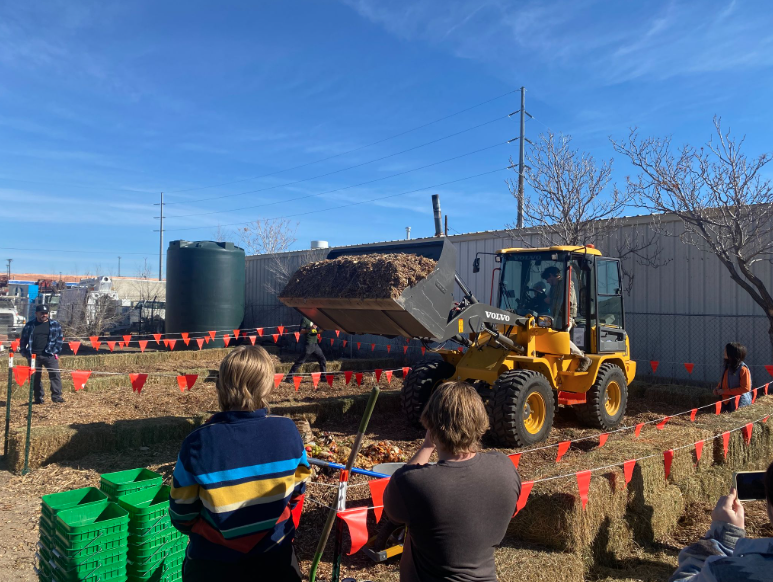
A community centered compost facility in the Wells Park neighborhood of Albuquerque, Full Sun Compost operates with the belief that food waste should stay in the community where it is generated and return to the soils that sustain them. They focus on local inputs and circulating organic resources locally to directly benefit the community.
Electricity
Electricity can be structured in a more cooperative and democratic way, such as electric cooperatives that aren’t large investor owned utilities. It can also be renewable and empower sovereignty, collaboration, and energy independence in local communities, such as distributed generation solar, microgrids, virtual power plants, and community solar programs.
Kit Carson Electric Cooperative
Kit Carson Electric Co-op is a member owned electric distribution cooperative serving Taos, Colfax, and Rio Arriba Counties. The co-op voted in 2016 to produce 100% daytime solar energy by 2022, and is a leader in local economic development.
Community Solar
Community solar programs promote participation in renewable energy solutions by allowing qualified electric utility customers to purchase shares in a local solar facility. Community solar allows for the equal access to the economic and environmental benefits of solar energy generation regardless of the physical attributes or ownership of an individual’s home or business.


Food and Agriculture
The food system is another way in which cooperative structures can thrive, such as community supported agriculture, food hubs, or food co-ops. These structures contribute to a more resilient and localized food system that uplifts and supports local farms, is more democratic and cooperative in nature, reduces food waste, and supports the health of communities and the planet.
Skarsgard Farms
Skarsgard Farms is a hub between regional farmers and customers. They offer organic produce and a community supported agriculture model that offers home delivery on a recurring basis.
La Montanita Co-op
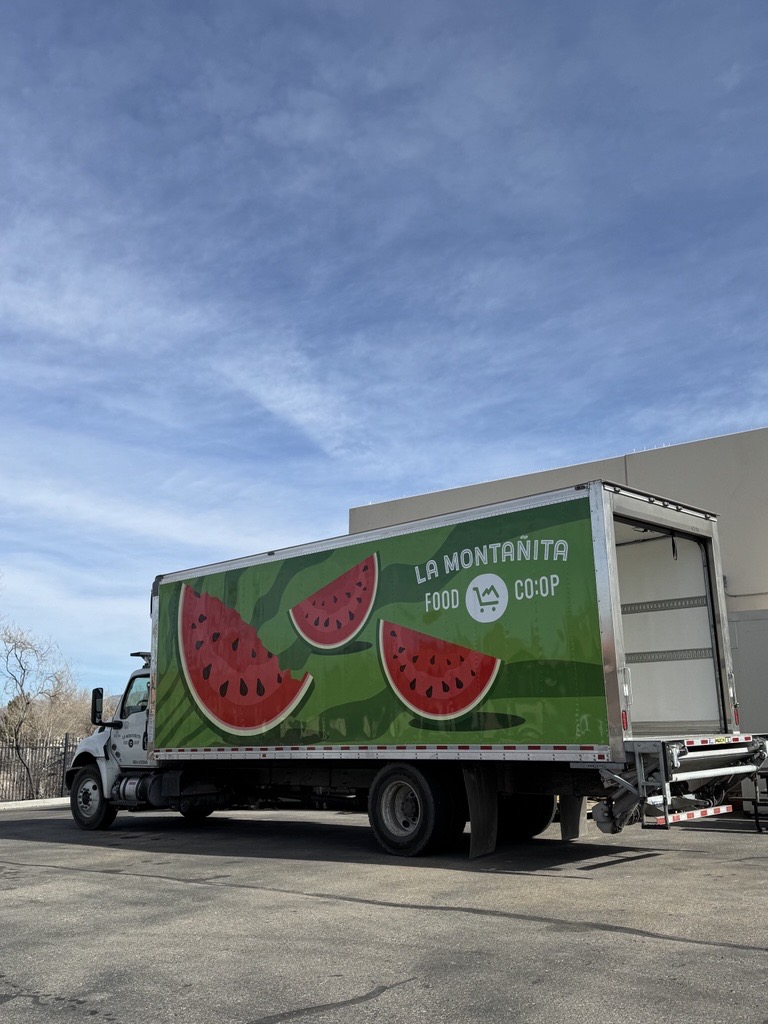
La Montanita Co-op is the largest food co-op in New Mexico that collaborates with local farmers that support organic and sustainable practices. Members receive quarterly dividends in the form of discounts and are able to participate in monthly board meetings, where members have equal say in co-op operations.
Agri-Cultura Network (NM Food Hub)
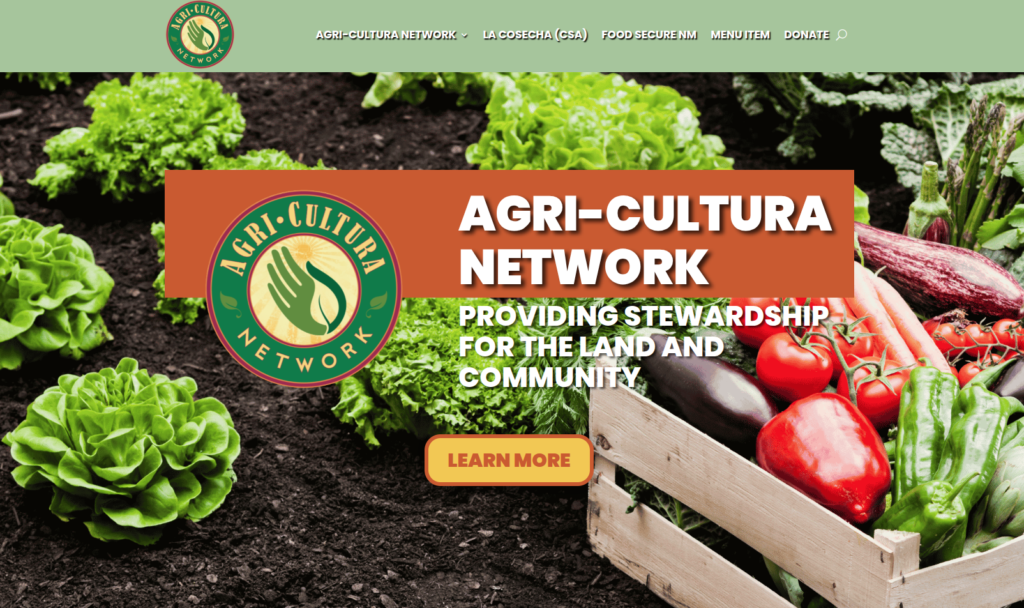
Agri Cultura Network is a food hub that seeks to promote and uplift sustainable, regenerative, and organic farming in the South Valley of Albuquerque. Collective autonomy and reciprocity are core values.
Community Spaces and Sustainability
The ways cities and towns are designed plays a major role in how inclusive and cooperative they might be, and what structures can be supported by it. Whether it’s accessible public transit, bike lanes, community gardens, and other third spaces where local residents can gather easy, design is a key part of promoting and fostering more cooperative structures.
Ciqlovia
An annual event in Albuquerque where blocks of streets are car-free and people are encouraged to walk, bike, and skate over there. Numerous tables and events encourage people to get to know each other more and build meaningful connections.

Circular Economy
The circular economy is one in which waste is reduced or eliminated, and promotes doing more with the resources we have over a linear economic model. This economic model often fosters greater collaboration and mindfulness about the impact waste can have on communities and health.
People & Planet Refill
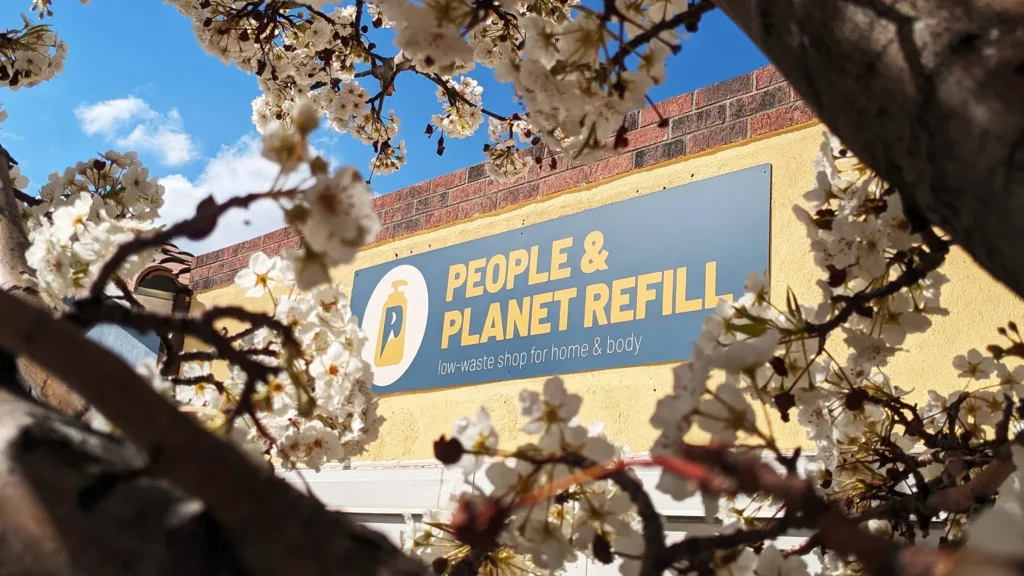
A profit for purpose business rooted in a circular economy approach that seeks to reduce waste, promote re-use, and provide positive environmental and social benefits for the local community.
Village Refillery
A refill store that serves to promote local products, help reduce impact on the planet, reduce use of plastics, and provide affordable options for people to purchase quality artisan products.

Environmental Sustainability Resources
Traditional Ecological Knowledge
Zuni Waffle Gardens
Rainwater Harvesting
Three Sisters Agriculture
- HISTORY: Three Sisters Agriculture—Beans, Corn, and Squash
- Indian Pueblo Cultural Center: The Three Sisters
Acequias and Community Water Management
Research and Funding
- UNM Utton Center: Acequias (PDF)
- New Mexico Department of Agriculture: Acequia and Community Ditch Fund
South Valley
Taos
Agroecology and Regenerative Agriculture
Composting and Soil Health
- U.S. Environmental Protection Agency: Composting
- Reunity Resources: About Us
- Full Sun Compost: Our Community Pledge
Renewable Energy and Electric Cooperatives
Local Food Systems and Cooperative Networks
- New Mexico Tourism Department: Skarsgard Farms
- La Montañita Co-op: About
- Agri-Cultura Network: About
Circular Economy, Reuse, and Waste Reduction
About the Author - Allen Smith
Entrepreneurial minded and open to opportunities in the sustainability field. Interested in sustainable land use, plastics reduction, air quality, energy efficiency & renewables, water conservation & water quality, sustainable localized agriculture, urban & regional planning, re-use, circular economies, composting, environmental & public health, climate change mitigation & adaptation, and public lands protection. Currently based out of Albuquerque, NM. Doing air quality planning & regulatory work.